Rising TB Rates in Indonesian Schools
Learn about the risks of TB in school settings, transmission factors, the importance of early screening, and the role of testing in helping to detect TB more quickly.

Why Are Disinfectants Essential in Food Production?
Food safety starts with effective cleaning and disinfection. Learn why proper sanitation is essential in food production, how it helps prevent microbial contamination, and the best practices for protecting product quality, regulatory compliance, and consumer health.
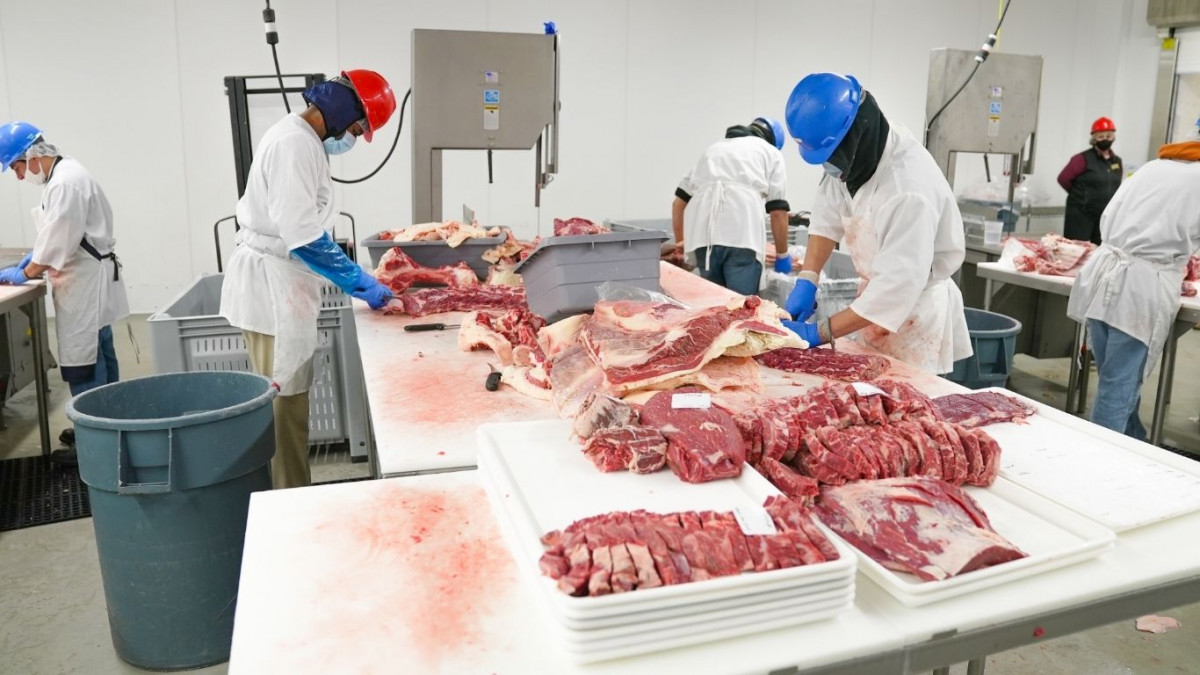
Qurban Meat, Stay Aware of the Health Risks
Eid al-Adha is a celebration closely associated with togetherness, sharing, and a variety of delicious qurban meat dishes. From satay, curry, rendang, to tongseng, these traditional dishes are often enjoyed during family gatherings. However, behind the enjoyment, excessive meat consumption without a balanced diet may impact health, particularly increasing the risk of metabolic conditions such as high cholesterol, gout, and hypertension.

The Importance of Pregnancy Screening for Early Detection of Maternal Risks
Pregnancy screening plays a crucial role in the early detection of maternal risks, including anemia, gestational diabetes, and infections such as syphilis. Screening that begins in the first trimester and is performed regularly—following recommendations from the World Health Organization (WHO) and the Kementerian Kesehatan Republik Indonesia—can help prevent serious complications and improve both maternal and neonatal health outcomes. With the support of fast and practical screening technologies, healthcare professionals—especially midwives—can deliver more effective and efficient care. Therefore, pregnancy screening is not only important but essential in ensuring a safe, healthy, and well-monitored pregnancy.

Rising Trend of Sugary Drink Consumption: Diabetes Risk Is Lurking
The increasing consumption of sugary drinks is a major factor driving the rise of diabetes risk, especially among young adults. By limiting sugar intake, adopting a healthy lifestyle, and regularly monitoring blood glucose, diabetes can be prevented early.