Ramadan fasting brings significant changes to eating patterns and the body’s metabolism. These changes directly affect blood glucose levels, especially in individuals with diabetes or those at risk of glycemic disorders. Without proper preparation, fasting may increase the risk of hypoglycemia and hyperglycemia, which can be harmful to health.
Therefore, understanding how to maintain stable blood sugar during Ramadan is essential to ensure fasting remains safe and optimal.
1. What Are Hypoglycemia and Hyperglycemia?
During fasting, the body does not receive food or fluid intake for extended periods. This condition may cause blood glucose levels to become too low (hypoglycemia) or too high (hyperglycemia) beyond the normal range (70–100 mg/dL).
- Hypoglycemia occurs when blood sugar drops below normal levels and may cause symptoms such as weakness, dizziness, trembling, or sweating.
- Hyperglycemia occurs when blood sugar remains elevated, for example due to excessive sugary foods at iftar or poor dietary control.
Both conditions are commonly experienced by people with diabetes during fasting and should be understood early to prevent health risks. Studies show that fasting can cause significant blood glucose fluctuations in individuals with diabetes when not properly monitored.
2. Why Is This Important During Fasting?
Without proper monitoring, hypoglycemia can make fasting unsafe because the body lacks sufficient energy, leading to weakness, trembling, dizziness, cold sweats, difficulty concentrating, or even loss of consciousness.
Meanwhile, uncontrolled hyperglycemia can increase thirst, frequent urination, and overall discomfort during fasting. Recognizing early warning signs and taking prompt action can help minimize complications.
3. Preparing Your Body Before Ramadan Fasting
Preparation before Ramadan is strongly recommended, particularly for individuals with diabetes or unstable blood sugar levels. Pre-Ramadan education and evaluation have been shown to reduce hypoglycemia incidents during fasting.
Key steps include:
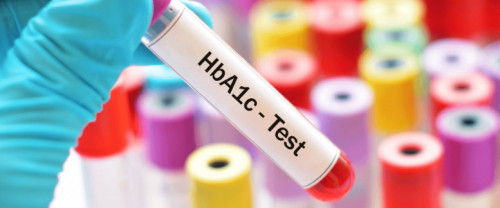
- Pre-Ramadan Health Evaluation – Blood glucose testing and medical consultation help determine baseline health status and assess whether fasting can be performed safely.
- Dietary Management – Skipping suhoor is not recommended. Consuming balanced meals with low glycemic index foods, high fiber, and adequate protein helps maintain stable blood sugar levels throughout fasting hours.
- Therapy Adjustment – Adjustments to medication or insulin dosage and timing should be individualized according to healthcare professional guidance to prevent hypoglycemia.
4. The Importance of Self-Monitoring Blood Glucose Before, During, and After Fasting
Self-Monitoring of Blood Glucose (SMBG) is a key strategy to prevent complications during Ramadan fasting. WHO and scientific guidelines emphasize that blood glucose testing does not break the fast and is recommended for safety.
Blood glucose checks are recommended:
- Before fasting (before suhoor) to assess baseline levels
- During fasting, especially if hypoglycemia symptoms appear
- After iftar to evaluate the body’s response to food intake
Benefits of routine SMBG during Ramadan:
- Early detection of hypoglycemia
- Better evaluation of diet and therapy
- Data support for medical consultations
- Improved fasting safety
5. The Role of Glucosure Autocode in Self-Monitoring
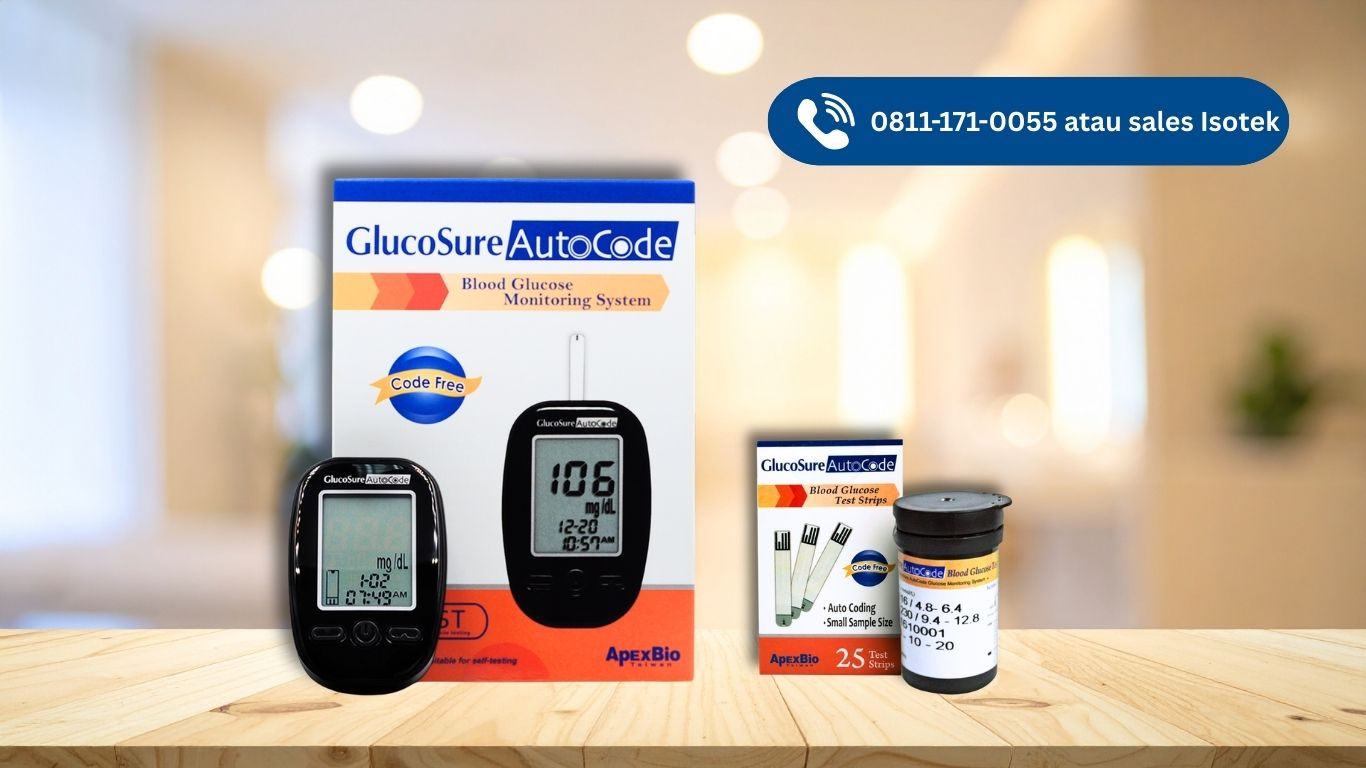
Self-monitoring plays an important role in maintaining safe fasting. In this context, Glucosure Autocode Blood Glucose Monitoring System is designed as an easy-to-use SMBG device because:
- Its compact size makes it easy to carry
- The autocode system (no coding chip required) simplifies testing and reduces strip coding errors
- Requires only a small blood sample (0.6 μL), making testing more comfortable
- Provides consistent results that are easy to interpret for timely decisions, including when fasting should be stopped for safety
Summary
Ramadan fasting offers spiritual benefits while presenting physiological challenges, particularly in blood glucose control. Without proper preparation, changes in eating patterns and fasting hours may increase the risk of hypoglycemia, especially for individuals with diabetes or unstable glucose levels.
Pre-Ramadan preparation, understanding hypoglycemia risks, and routine self-monitoring of blood glucose are key to maintaining safe fasting. Support from easy-to-use autocode glucose monitoring devices such as Glucosure Autocode helps simplify monitoring and improve consistency, allowing users to better understand their body’s condition.
With proper monitoring and awareness of blood sugar stability, Ramadan fasting can be observed more safely, comfortably, and meaningfully.
References
- World Health Organization. Diabetes and Ramadan: Practical Guidelines. WHO EMRO, 2016.
- Hassanein M, et al. Diabetes and Ramadan: Practical Guidelines 2021. Diabetes Research and Clinical Practice. 2021;173:108674.
- American Diabetes Association. Diabetes Management During Ramadan. Diabetes Care. 2020;43(Suppl 1):S111–S124.
- Kementerian Kesehatan Republik Indonesia. Tips Aman Berpuasa bagi Penyandang Diabetes. Kemenkes RI.
- Salti I, et al. A Population-Based Study of Diabetes and Its Characteristics During Ramadan. Diabetes Care. 2004;27(10):2306–2311.