
Cardiometabolic disorders such as coronary heart disease, type 2 diabetes mellitus, and metabolic syndrome are major global causes of morbidity and mortality. Early detection of modifiable risk factors is essential to prevent disease progression. Cholesterol, glucose, and triglyceride testing are among the most frequently used laboratory parameters for early screening and monitoring of cardiometabolic conditions. This biomarker triad provides a comprehensive overview of lipid status, glucose regulation, and the likelihood of developing atherosclerosis and insulin resistance.
In modern clinical pathology practice, integrated interpretation of these three parameters plays a significant role not only in early diagnosis but also in risk stratification, therapy monitoring, and evidence-based clinical decision-making.
1. Cholesterol as a Marker of Atherosclerosis Risk
Total cholesterol and its fractions (HDL, LDL, non-HDL) are primary indicators of cardiovascular risk.
-
LDL cholesterol is closely associated with the formation of atherosclerotic plaques.
-
HDL cholesterol has a protective role through reverse cholesterol transport.
-
An imbalanced lipid profile increases the risk of coronary artery disease.
Laboratory interpretation of these lipid fractions is crucial, especially in patients with additional risk factors such as obesity, hypertension, or a family history of cardiovascular disease.
2. Glucose and Glycemic Homeostasis
Fasting plasma glucose (FPG) and glucose tolerance tests are major biomarkers for early detection of prediabetes and diabetes.
Disturbances in glucose regulation underlie insulin resistance, chronic inflammation, and endothelial dysfunction, all of which increase cardiovascular risk.
Routine glucose testing assists clinicians in:
-
Assessing diabetes risk in the general population
-
Evaluating the effectiveness of lifestyle changes or pharmacotherapy
-
Preventing microvascular and macrovascular complications
3. Triglycerides as an Indicator of Metabolic Risk
Triglycerides serve as an important marker in metabolic syndrome.
Elevated triglyceride levels are commonly associated with:
-
Hepatic insulin resistance
-
Non-alcoholic fatty liver disease (NAFLD)
-
Atherogenic dyslipidemia (high TG, low HDL, small dense LDL)
Triglycerides are also used in calculating non-HDL cholesterol and atherogenic indices, which are increasingly relevant in modern cardiometabolic risk prediction.
4. Importance of Integrated Analysis of the Metabolic Biomarker Triad
Assessing all three parameters together provides greater clinical value than evaluating them individually. Combined abnormalities in lipid and glycemic profiles may indicate:
-
Risk of metabolic syndrome
-
Predisposition to type 2 diabetes
-
Potential for early atherosclerosis
-
Need for immediate intervention
Advantages of the MulticareIn Meter Product
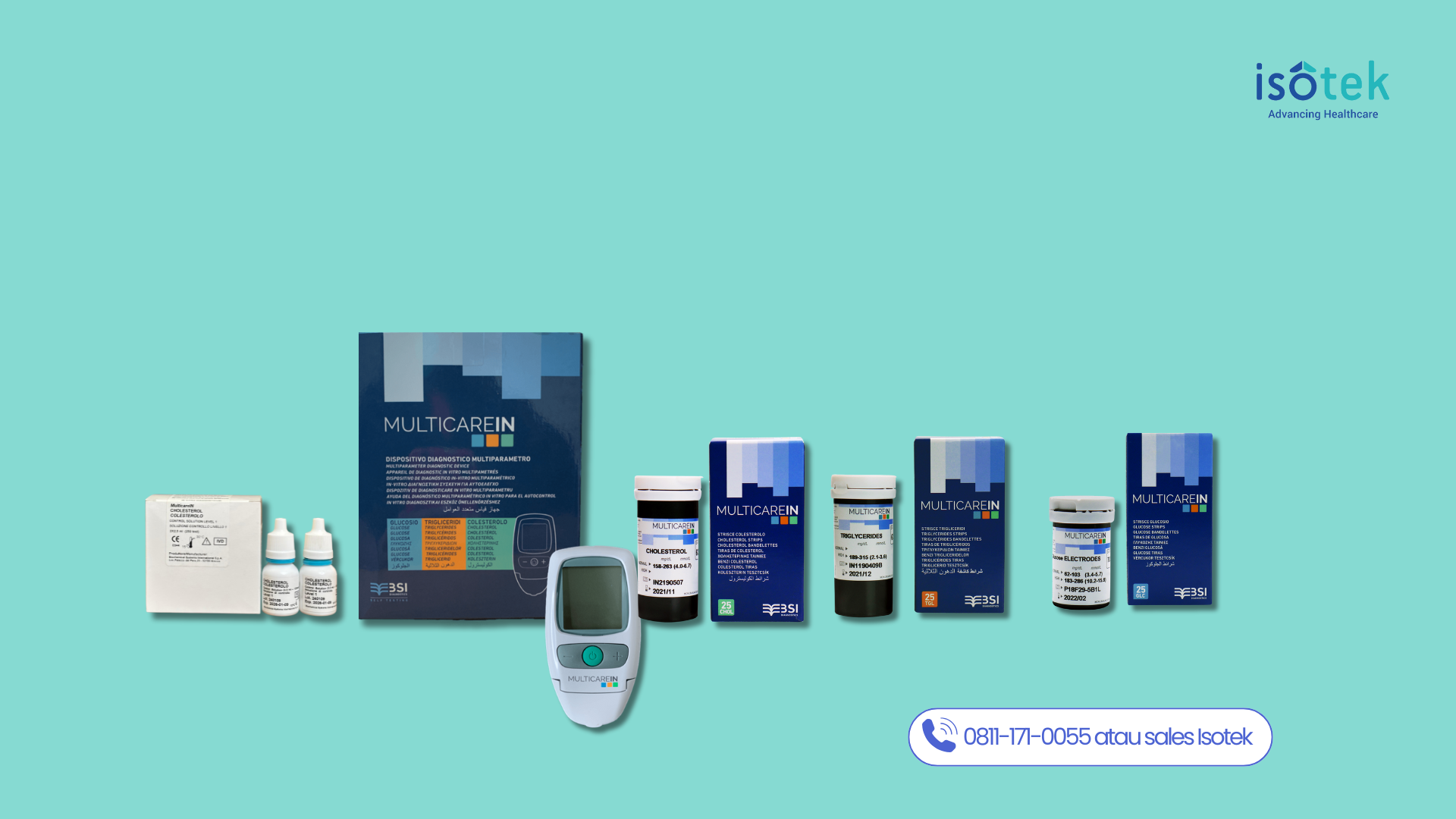
The MULTICARE IN Meter is known as a practical device for assessing metabolic parameters. Its key advantages include:
-
Memory Capacity of 500 Data Points
Large memory allows easy validation of previous test results. -
Three Parameters in One Device
Capable of measuring cholesterol, triglycerides, and glucose in a single tool. -
Requires Only 5–10 µL of Blood Sample
-
Equipped with a Test Strip Ejector
-
Easy to Use
Cholesterol, glucose, and triglyceride testing form an essential metabolic biomarker triad for early detection of cardiometabolic disease risk. Integrated analysis of these three parameters provides a comprehensive overview of a patient's metabolic status, supporting diagnosis, risk stratification, and therapy monitoring. In healthcare facilities, the use of efficient testing devices such as the MULTICARE IN Meter can optimize community health screening and evaluation.
References
-
Grundy SM, et al. Diagnosis and Management of the Metabolic Syndrome. Circulation. 2020.
-
American Diabetes Association. Standards of Medical Care in Diabetes. Diabetes Care. 2024.
-
Nordestgaard BG. Triglyceride-Rich Lipoproteins and Atherosclerotic Cardiovascular Disease. Lancet. 2020.
-
Stone NJ, et al. ACC/AHA Guideline on the Treatment of Blood Cholesterol. Journal of the American College of Cardiology.
-
Reaven G. The Metabolic Syndrome: Time to Get Off the Merry-Go-Round? J Intern Med.