1. The Joy of Eid, The Hidden Health Risk
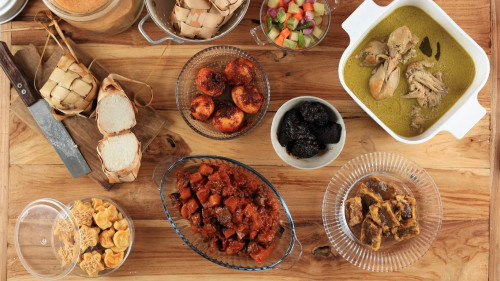
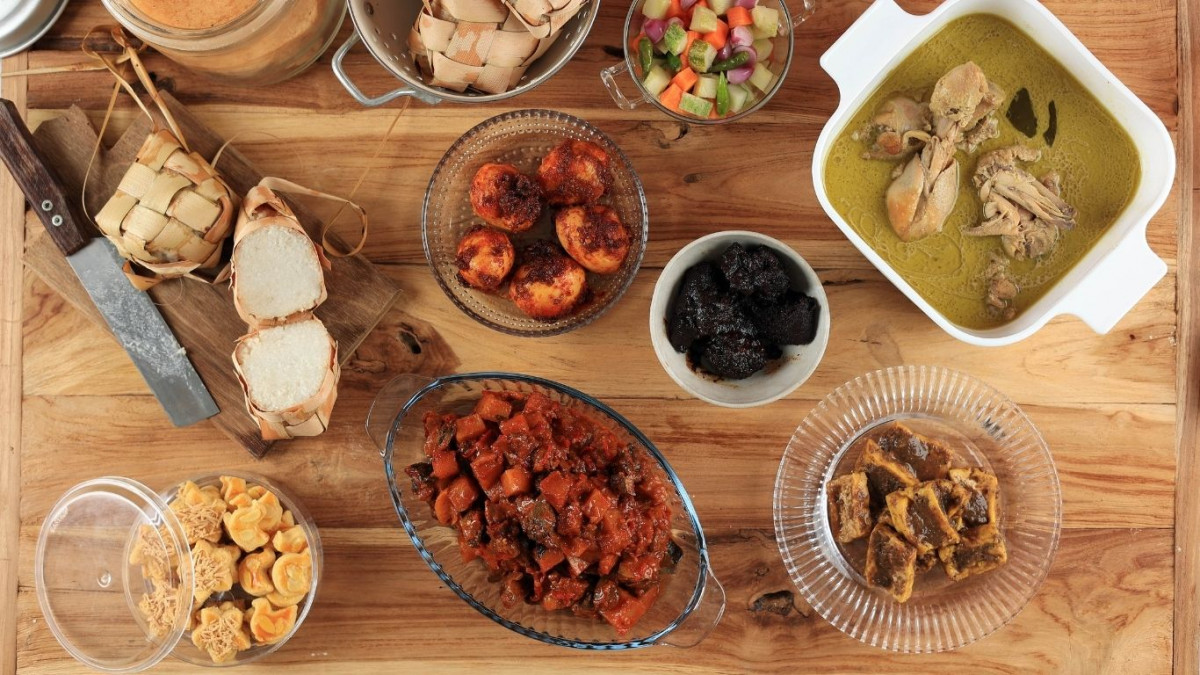
Eid celebrations are often associated with a variety of delicious dishes rich in coconut milk, meat, and oil. Excessive consumption of foods high in saturated fat can lead to elevated cholesterol levels in the blood, particularly LDL (low-density lipoprotein), commonly known as “bad cholesterol.”
Scientifically, increased cholesterol levels—especially LDL—are strongly associated with a higher risk of cardiovascular diseases such as coronary heart disease and stroke.
2. What is Cholesterol?
Cholesterol is a fatty substance that the body needs to build cells and produce hormones. However, when present in excessive amounts, cholesterol can accumulate in the walls of blood vessels and form plaques (atherosclerosis).
This condition narrows the blood vessels and restricts blood flow, significantly increasing the risk of serious health complications.
3. Symptoms of High Cholesterol That Often Go Unnoticed
One of the main challenges of high cholesterol is that it is often a silent condition, meaning it may not show clear symptoms. However, some possible signs include:
- Fatigue
- Chest pain (angina)
- Tingling or discomfort in the neck and shoulders
- Headaches, especially at the back of the head
Due to the lack of early symptoms, many cases are only detected after complications such as heart disease or stroke occur.
4. Why Does Cholesterol Increase After Eid?
Several contributing factors include:
- High intake of saturated fat and cholesterol-rich foods
- Overeating during social gatherings
- Lack of physical activity
- Excessive sugar consumption from festive desserts
These lifestyle patterns are major risk factors for dyslipidemia, a condition characterized by abnormal lipid levels that can lead to cardiovascular diseases.
5. How to Prevent Cholesterol Spikes
To maintain healthy cholesterol levels after Eid, consider the following steps:
- Maintain a Balanced Diet
Limit high-fat foods and increase intake of:
-
- Fiber-rich vegetables and fruits
- Omega-3-rich fish
- Engage in Regular Physical Activity
The World Health Organization (WHO) recommends regular physical activity to help maintain a healthy lipid profile.
- Avoid Unhealthy Habits
Such as smoking and lack of sleep, which can negatively impact metabolism.
- Perform Regular Cholesterol Checks
Routine screening is crucial, as high cholesterol often shows no early symptoms.
The Role of Cholesterol Testing with MULTICAREIN
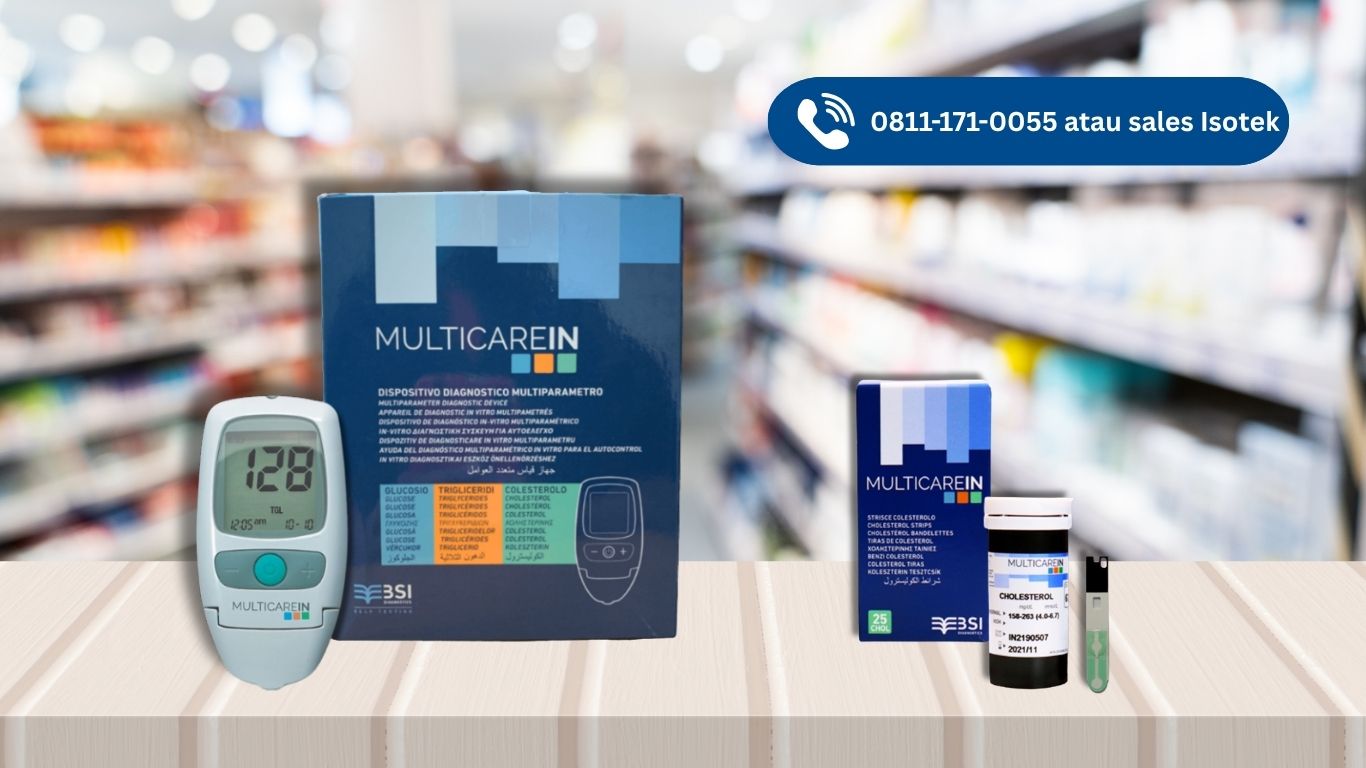
MULTICAREIN is a screening and monitoring device designed to measure cholesterol levels quickly and conveniently. With a simple testing method using cholesterol strip, it supports:
- Routine cholesterol monitoring
- Early detection of cardiovascular risk
- Faster decision-making for better health management
Key features include:
- Requires only 10 µL of blood sample
- More hygienic with a built-in test strip ejector
- Memory capacity up to 500 test results
- Fast result reading (30–60 seconds)
Routine cholesterol testing is an essential step in preventing cardiovascular diseases, as recommended by global health guidelines.
Conclusion
Eid is a time of celebration and indulgence, but excessive consumption of high-fat foods can lead to dangerous cholesterol spikes. Since high cholesterol often develops without noticeable symptoms, prevention through a healthy lifestyle and regular monitoring is essential.
With the support of devices like MULTICAREIN, early detection becomes more accessible, helping to reduce the risk of serious health conditions from the outset.
References
- Feingold KR. Guidelines for the Management of High Blood Cholesterol. NCBI, 2025.
- Schaiff RA et al. An Overview of Cholesterol Management. PMC, 2008.
- World Heart Federation. Cholesterol Roadmap 2022.
- World Health Organization (WHO). Physical Activity Guidelines.