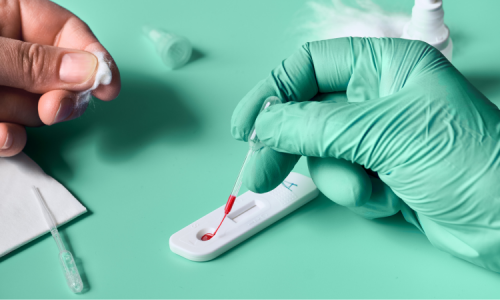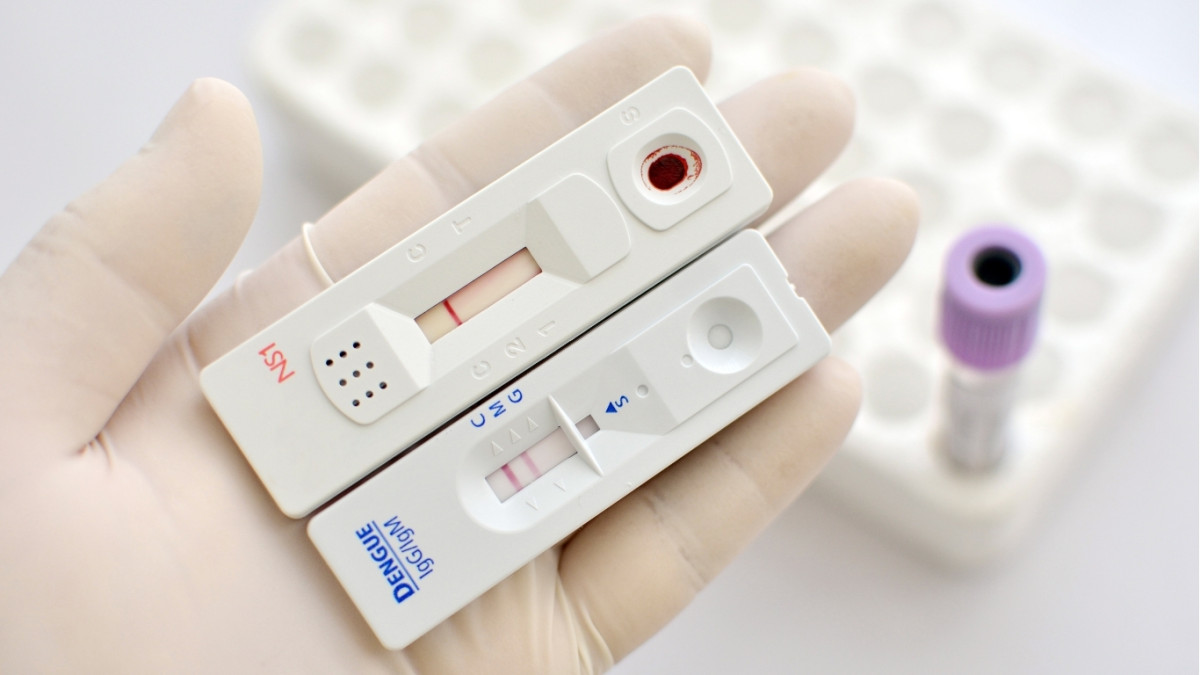
Dengue infection can be challenging to identify based on symptoms alone. Fever, headache, muscle pain, joint pain, nausea, and other symptoms may overlap with several other infectious diseases. Laboratory testing can therefore play an important role in supporting dengue diagnosis, particularly when clinical symptoms are not specific.
One important consideration in dengue testing is that different markers can provide different information about an infection. NS1, IgM, and IgG are three commonly used dengue markers, and understanding the role of each can help explain why combination testing can be valuable.
Understanding the Three Dengue Markers
1. NS1: An Early Indicator of Dengue Infection
NS1, or non-structural protein 1, is a dengue viral antigen that can be detected in the blood during the acute phase of infection. Because NS1 can be detectable early in the course of illness, NS1 antigen testing can support dengue detection before antibody levels become more prominent.
This makes NS1 particularly relevant when a patient seeks medical attention during the earlier stages of dengue infection.
However, dengue is a dynamic infection, and the availability of different markers can change as the illness progresses. This is one reason why looking at only one marker may not always provide the complete diagnostic picture.
2. IgM: Detecting the Immune Response
IgM is an antibody produced by the immune system in response to infection. In dengue, IgM generally becomes detectable as the immune response develops and can therefore be useful when testing patients later in the course of illness.
The timing of IgM detection can vary, and factors such as whether the patient has experienced dengue infection previously can influence antibody responses. Therefore, IgM results need to be interpreted together with the patient's clinical condition and the timing of testing.
3. IgG: Another Piece of the Diagnostic Picture
IgG is another antibody that can provide useful information when evaluating dengue infection. Its response differs between primary and secondary dengue infections.
In particular, patients with a previous dengue infection may develop an IgG response more rapidly during a subsequent infection. As dengue has four serotypes, a person who has previously been infected is not necessarily protected from infection with another serotype.
For this reason, IgG can provide additional information that complements NS1 and IgM detection.
Why Combine NS1, IgM, and IgG?
The key advantage of these three markers is that they provide different pieces of information about dengue infection.
NS1 can provide information associated with the presence of the virus during the acute phase, while IgM and IgG provide information related to the body's antibody response. Because these markers can behave differently throughout infection, combining them can provide a broader approach to dengue testing.
According to the World Health Organization's laboratory guidance, dengue diagnostic strategies can incorporate NS1 antigen detection together with IgM and, where appropriate, IgG testing to improve detection across different stages and types of infection.
For laboratories and healthcare facilities, having access to multiple dengue markers within one testing format can therefore offer a practical approach when evaluating suspected dengue cases.
ACCU-TELL® Dengue IgG/IgM/NS1 Combo Cassette
This is where ACCU-TELL® Dengue IgG/IgM/NS1 Combo Cassette provides a practical solution.
The test is designed for the qualitative detection of dengue NS1 antigen, IgM antibodies, and IgG antibodies in human whole blood, serum, or plasma. By incorporating all three markers into one cassette, ACCU-TELL® supports a broader approach to dengue screening without requiring separate tests for each marker.
The test uses a rapid chromatographic immunoassay format and provides results with a 10 minute reading time, making it suitable for settings where timely testing is important.
For healthcare professionals and laboratories looking for a convenient dengue testing solution, combining NS1, IgM, and IgG in one cassette can help provide a more comprehensive view of the available dengue markers.
A Broader Approach to Dengue Testing
Dengue diagnosis is not simply about detecting one marker. The relevance of NS1, IgM, and IgG can vary according to the stage of infection and the patient's previous exposure to dengue.
Understanding these differences highlights the value of combination testing. By bringing NS1, IgM, and IgG detection together in one test, ACCU-TELL® Dengue IgG/IgM/NS1 Combo Cassette offers a practical option for dengue screening and supports healthcare professionals in obtaining information from multiple dengue markers through a single testing format.
References
- World Health Organization. Laboratory Testing for Dengue Virus: Interim Guidance. 2025.
- World Health Organization. Dengue and Severe Dengue – Fact Sheet.