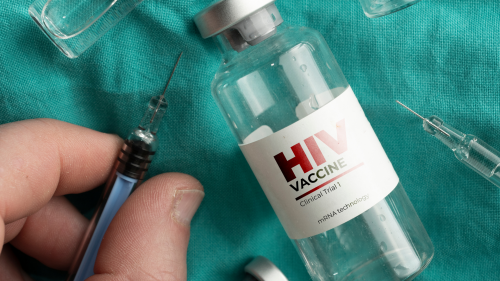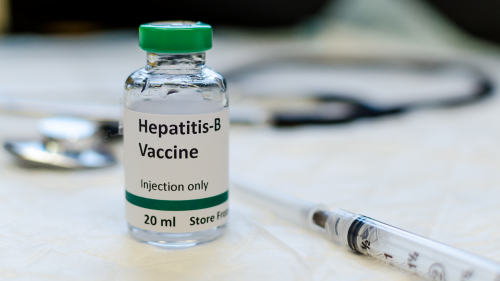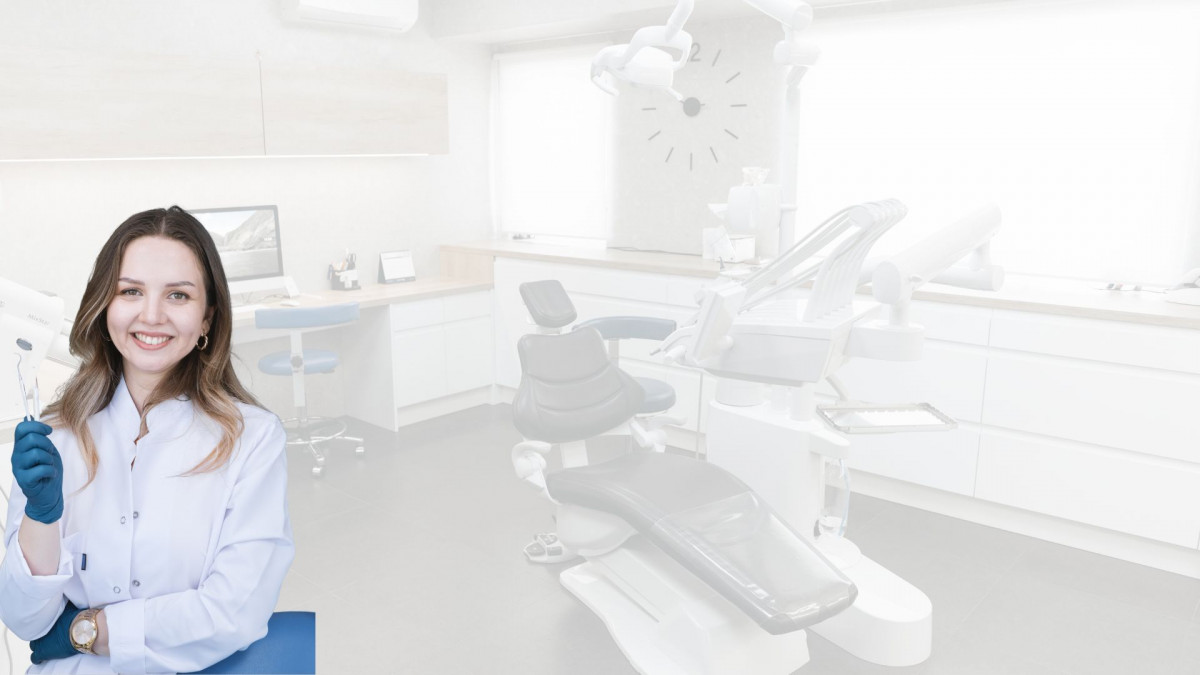
Cross-infection is one of the serious threats in healthcare services. This infection occurs when pathogenic microorganisms move from one patient to another, or from the environment and equipment to patients. Medical equipment and surfaces that are not properly disinfected can become sources of bacterial, viral, or fungal transmission. The impact of cross-infection not only increases morbidity and mortality rates but also causes additional costs for healthcare facilities and patients.
Disinfection of equipment and the environment is an important step in preventing cross-infection. One product that is effective and widely used is UMONIUM38® , which offers broad protection against various pathogens while being safe for various types of surfaces.
1. Causes of Cross-Infection
Cross-infection can occur through several routes:
• Direct contact between patients and healthcare workers.
• Indirect contact through contaminated medical equipment, such as stethoscopes, thermometers, or examination tables.
• Contamination of environmental surfaces, such as tables, chairs, or medical aids.
Risk factors increase when cleaning procedures are inconsistent, staff lack understanding of disinfection standards, or the products used are ineffective against pathogens.
2. Effects of Cross-Infection
Cross-infection can cause serious consequences, including:
• Spread of infectious diseases among patients.
• Prolonged treatment periods and increased hospital or healthcare facility costs.
• Decreased patient trust in healthcare services.
• Risks to healthcare workers who handle contaminated patients or equipment.
3. The Role of Disinfectants in Prevention
Effective disinfectants are key to breaking the chain of cross-infection. Their main roles include:
• Killing or inactivating bacteria, viruses, and fungi on equipment and surfaces.
• Reducing the risk of cross-contamination between patients and healthcare workers.
• Ensuring the environment remains hygienic and safe for healthcare services.
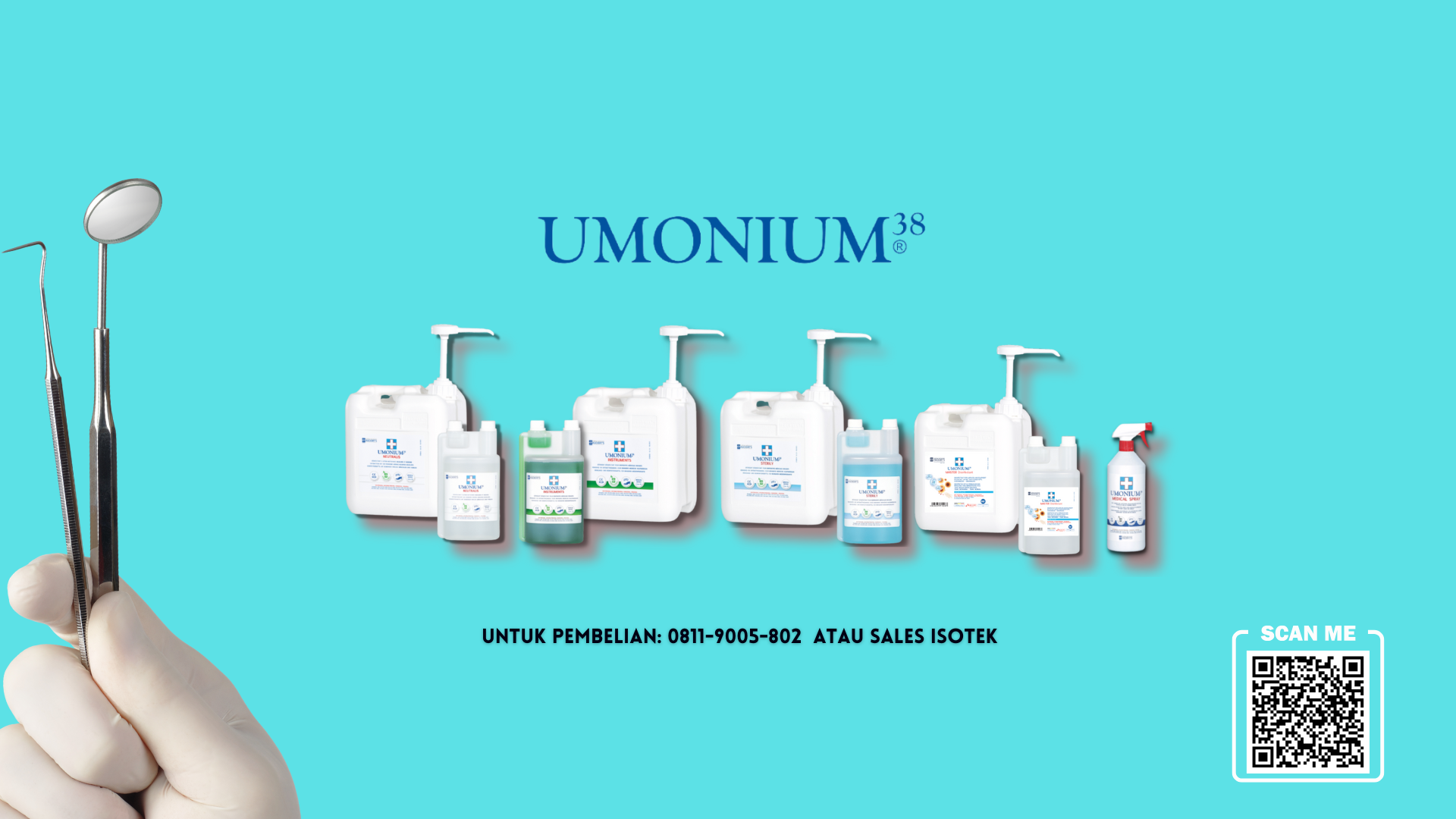
A. UMONIUM38® Product Advantages:
-
Halal-certified and equipped with various international certifications (MEA, HSSA, NSF, etc.)
-
Non-corrosive: Safe for medical equipment, metal, plastic, and other sensitive surfaces
-
Safe for humans: Does not cause skin irritation and is non-toxic when used as directed
-
Environmentally friendly: Made from biodegradable materials and leaves no harmful residue
-
Formulated with Isopropyl-Tridesyl-Dimethyl-Ammonium, a strong and patented disinfectant that is safe for operators, medical devices, and the environment
-
Long shelf life of 36 months, even after opening
-
Odorless in the Master Disinfectant and Neutralis products
-
UMONIUM38® Instrument, Sterily, and Medical Spray contain essential-oil fragrances
B. Effectiveness
-
Fast-acting, powerful, and broad-spectrum disinfectant: bactericidal, fungicidal, mycobactericidal, virucidal, and sporicidal with a 10-minute contact time
C. Product Availability
-
Available in 1L bottles and 5L gallon containers
With proper use of disinfectants such as UMONIUM38® , healthcare facilities can significantly reduce the risk of cross-infection.
Cross-infection remains a real threat in healthcare services if equipment and the environment are not properly cleaned and disinfected. Consistent and effective disinfection is a crucial step to protect patients and healthcare workers. Products like simplify UMONIUM38® the cleaning process and ensure that medical environments and equipment remain safe from pathogens, helping to break the chain of cross-infection.
References
-
World Health Organization (WHO). Guidelines on Hand Hygiene in Health Care. WHO, 2009.
-
Rutala WA, Weber DJ. Disinfection and Sterilization in Healthcare Facilities: An Overview and Current Issues. Infect Dis Clin North Am. 2016;30(3):609–637.
-
Kampf G, et al. Efficacy of Disinfectants Against Emerging Viral Pathogens. J Hosp Infect. 2020;104(3):251–263.
-
Centers for Disease Control and Prevention (CDC). Guideline for Disinfection and Sterilization in Healthcare Facilities. 2019.
-
Boyce JM. Environmental Contamination Makes an Important Contribution to Hospital Infection. J Hosp Infect. 2007;65:50–54.