Rising TB Rates in Indonesian Schools
Learn about the risks of TB in school settings, transmission factors, the importance of early screening, and the role of testing in helping to detect TB more quickly.

Why Are Disinfectants Essential in Food Production?
Food safety starts with effective cleaning and disinfection. Learn why proper sanitation is essential in food production, how it helps prevent microbial contamination, and the best practices for protecting product quality, regulatory compliance, and consumer health.
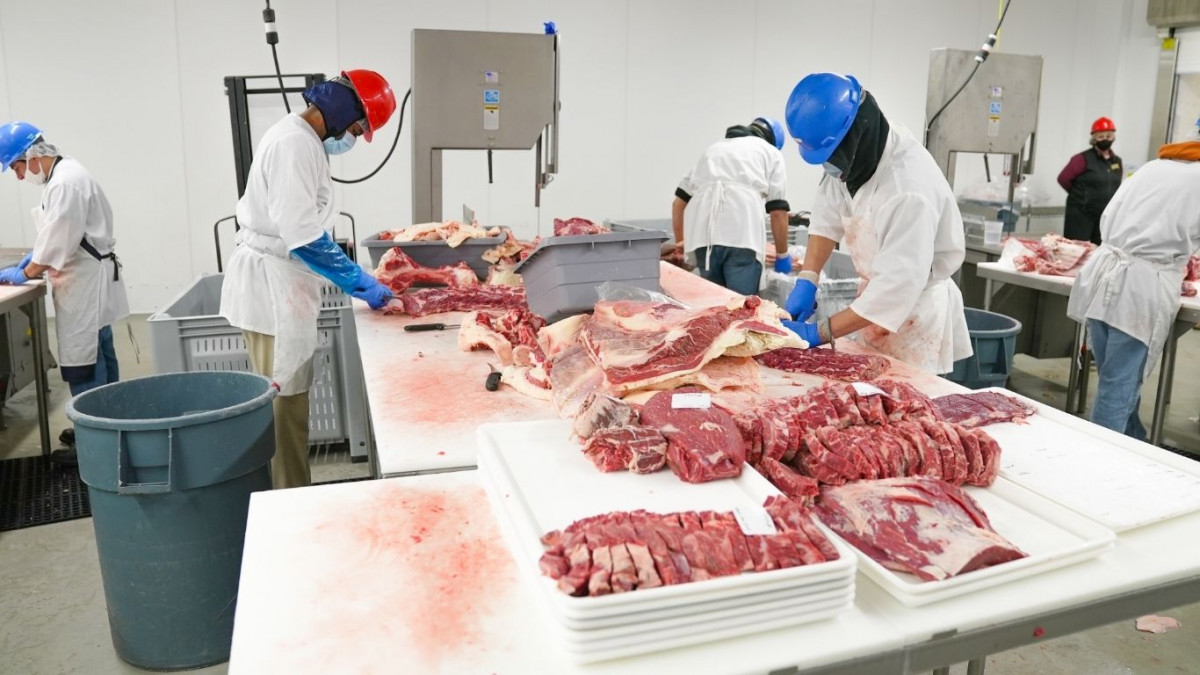
Qurban Meat, Stay Aware of the Health Risks
Eid al-Adha is a celebration closely associated with togetherness, sharing, and a variety of delicious qurban meat dishes. From satay, curry, rendang, to tongseng, these traditional dishes are often enjoyed during family gatherings. However, behind the enjoyment, excessive meat consumption without a balanced diet may impact health, particularly increasing the risk of metabolic conditions such as high cholesterol, gout, and hypertension.

The Importance of Pregnancy Screening for Early Detection of Maternal Risks
Pregnancy screening plays a crucial role in the early detection of maternal risks, including anemia, gestational diabetes, and infections such as syphilis. Screening that begins in the first trimester and is performed regularly—following recommendations from the World Health Organization (WHO) and the Kementerian Kesehatan Republik Indonesia—can help prevent serious complications and improve both maternal and neonatal health outcomes. With the support of fast and practical screening technologies, healthcare professionals—especially midwives—can deliver more effective and efficient care. Therefore, pregnancy screening is not only important but essential in ensuring a safe, healthy, and well-monitored pregnancy.

Rising Trend of Sugary Drink Consumption: Diabetes Risk Is Lurking
The increasing consumption of sugary drinks is a major factor driving the rise of diabetes risk, especially among young adults. By limiting sugar intake, adopting a healthy lifestyle, and regularly monitoring blood glucose, diabetes can be prevented early.

31 July 2026
Why Are Disinfectants Essential in Food Production?
Food safety starts with effective cleaning and disinfection. Learn why proper sanitation is essential in food production, how it helps prevent microbial contamination, and the best practices for protecting product quality, regulatory compliance, and consumer health.
10 December 2025
Cross-Infection in Healthcare Services: The Role of Disinfectants in Protecting Patients
Cross-infection remains a real threat in healthcare services if equipment and the environment are not properly cleaned and disinfected. Consistent and effective disinfection is a crucial step to protect patients and healthcare workers. Products like Umonium 38 simplify the cleaning process and ensure that medical environments and equipment remain safe from pathogens, helping to break the chain of cross-infection.
01 October 2025
UMONIUM38, Halal-Certified Disinfectant
UMONIUM38 offers a comprehensive disinfection solution—technically effective, safe for users and the environment, and compliant with additional standards through halal certification. Its halal certification is not merely symbolic, but an integral component of a quality management system that ensures the product has undergone rigorous testing and auditing. As such, UMONIUM38 stands out as a reliable and appropriate choice for healthcare facilities as well as various industrial sectors.
14 May 2025
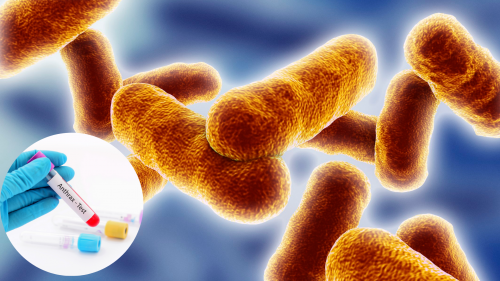
AN EFFECTIVE DISINFECTANT AGAINST THE THREAT OF ANTHRAX (BACILLUS ANTHRACIS)
Anthrax is an acute infectious disease caused by the Gram-positive bacterium Bacillus anthracis. This bacterium has a unique ability to form highly resistant spores to extreme environmental conditions, including heat, UV light, common disinfectants, and desiccation. Due to these characteristics, anthrax is recognized as one of the most dangerous biological agents and has been used in bioterrorism attacks
21 February 2025
DIFFERENCES BETWEEN HIGH-LEVEL DISINFECTANT AND OTHER DISINFECTANTS
In the healthcare world, cleanliness and sterilization are crucial. One important component of this process is the use of disinfectants. However, did you know that not all disinfectants are created equal? There are various types of disinfectants; one of the most effective is the high-level disinfectant. So, what exactly is the difference between high-level disinfectants and other disinfectants? Let's delve deeper.
03 September 2024
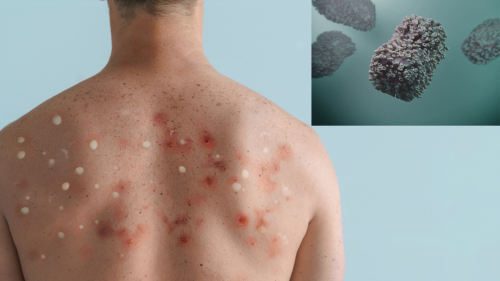
THE IMPORTANCE OF EFFECTIVE DISINFECTION IN PREVENTING MONKEYPOX (MPOX)
Monkeypox (Mpox) is a rare disease caused by the Monkeypox (Mpox) virus, which is a member of the Orthopoxvirus family. It was first identified in laboratory monkeys in 1958, and it started affecting humans in 1970 in the Democratic Republic of the Congo. While cases are mainly reported in remote regions of Central and West Africa, outbreaks have also occurred outside of these areas, attracting global attention.
03 May 2024
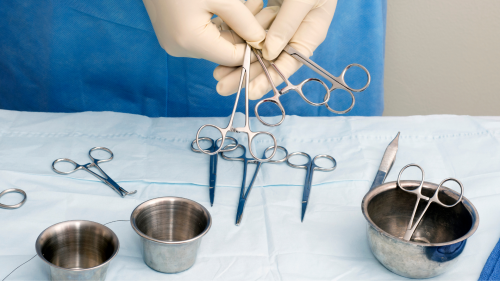
KEY TO EXENDING THE LIFESPAN OF MEDICAL EQUIPMENTS
In the continuously evolving medical field, the care and maintenance of medical equipment are crucial for ensuring patient effectiveness and safety. The longevity of medical equipment not only reduces costly replacements but also enhances the quality of healthcare services. One of the key strategies to extending the lifespan of medical equipment is the proper use of disinfectants.

23 January 2024
SECRET VEIL OF DISINFECTANTS: PROTECTING HEALTH OR ENDANGERING?
Healthcare-associated infections (HAIs) pose a significant threat to patients, healthcare professionals, and visitors. The use of safe disinfectants plays a central role in preventing infections in healthcare facilities.
01 November 2023
DISINFECTION USING ALCOHOL VS UMONIUM38
In healthcare facility, surgical procedures and even more invasive medical procedures are performed everyday. Disinfection and sterilization are essential for ensuring that medical and surgical instruments do not transmit infectious pathogens to patients. Failure to properly disinfect or sterilize equipment, can lead to infection, equipment damage which leads to wasted costs.